

Is Free VPN Software Safe To Use? Here’s What You Should Know
Have you ever thought about using a free VPN to stay anonymous online or access region-locked content? It's tempting, especially when you see paid VPN services charging monthly fees while many free options are just a click away. But how safe are they? Can something free truly protect your data?
What Does A VPN Do?
A VPN, or Virtual Private Network, creates a secure tunnel between your device and the internet. Instead of connecting directly to websites or apps, your connection passes through a VPN server, which masks your IP address and encrypts your online activity. This is especially useful when using public Wi-Fi or when you want to keep your browsing history private.
VPNs are often used to access geo-blocked content, prevent online tracking, or maintain privacy in restrictive countries. The concept is simple. But the software that powers a VPN can vary wildly in quality, especially when it's offered for free.
Why Do People Choose Free VPNs?
The biggest reason is apparent: cost. Not everyone is willing or able to pay a monthly fee for a VPN service, especially if they only need it occasionally. Free VPNs appeal to casual users who simply want a quick solution for accessing restricted websites, hiding their IP address, or using public Wi-Fi more securely.
Another reason is accessibility. Free VPNs are often easy to download, requiring no sign-up or payment. Many are available on app stores or as browser extensions, making them one of the quickest tools people can use to appear "safer" online.
But the question is—at what cost?
What Makes Some Free VPNs Unsafe?
When a service is free, the company behind it still needs a way to make money. If they're not charging users, they’re likely earning from the data they collect.
Here are a few ways this can happen:
Data Logging And Selling
Many free VPN providers track your browsing habits. They may collect data, such as the websites you visit, your device information, or even your location. This data can be sold to advertisers, data brokers, or third-party partners.
Invasive Ads
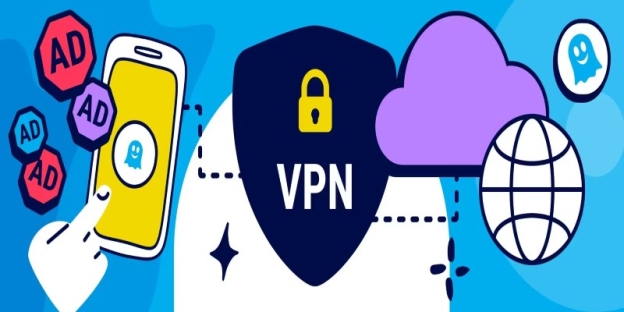
To make money, some free VPNs flood your device with ads. But these aren’t always harmless. Some ads may contain trackers or lead to malicious sites. In some cases, the ads are embedded directly into your browser traffic, which means the VPN is actively modifying what you see online.
Weak Encryption
Not all VPNs offer the same level of encryption. Some free services cut corners and use outdated protocols, leaving your data exposed. A VPN without solid encryption is worse than no VPN at all—it gives a false sense of security.
Malware And Tracking Software
Studies have shown that many free VPN apps contain spyware or malware. These can run in the background, collecting data or even hijacking your device's resources. You may not notice it immediately, but over time, it can impact your device's performance or compromise your accounts.
Limited Server Access And Speed
While not inherently dangerous, limited server options can lead users to congested or untrustworthy servers, potentially compromising their security. Some free services may even redirect traffic through questionable networks that aren't under the complete control of the provider.
Are All Free VPNs Risky?
Not all of them. There are a few reputable VPN providers that offer limited free versions of their paid plans. These usually come with restrictions—such as data caps, fewer server options, or slower speeds—but don’t compromise user privacy or security.
Services like ProtonVPN (free tier), Windscribe (limited data), and TunnelBear (free up to a specific limit) are known for being more transparent in their data usage policies. These companies use their free plans as a way to introduce users to their service, with the hope that some will eventually upgrade to paid plans. They still have business models that don't depend on selling user data.
But even then, you still need to read the privacy policy. Look closely at what data is collected and how it’s handled. If the terms are vague or too long to make sense, that’s already a red flag.
What About VPNs Built Into Browsers?
Some browsers now offer their own VPN-like services. Opera, for instance, includes a free VPN. These can be convenient, but they often come with limitations. Most only encrypt browser traffic (not your entire device), and the encryption protocols may not be as strong as those used by standalone VPN apps.
More importantly, since they are tied to browsers, they can also be closely linked to the browsing data you generate. The level of privacy depends heavily on the browser's data practices. If the browser collects user behaviour or sells ad data, using its VPN may not protect you as much as you expect.
How Do You Choose A Safer VPN?
Before installing any VPN—free or paid—look for these signs of credibility:
No-Logs Policy
The provider should clearly state that they don’t keep records of your browsing.
Transparent Ownership
You should be able to find out who owns the VPN. If the company is secretive, that’s a warning sign.
Third-Party Audits
Some trustworthy VPNs hire independent firms to review and verify their privacy practices. If they’ve done this, it shows confidence in their claims.
Clear Privacy Policy
You should be able to read and understand how the VPN handles your data.
Active Support and Community
A solid VPN will have a presence in forums, tech blogs, and user reviews. See what others say about their experiences.
The Bottom Line On Free VPN Safety
Using a free VPN might feel like a clever shortcut. But it can be a risk if you choose the wrong one. Some leak your data, sell your browsing history, or even infect your device with harmful software.
A free VPN can be helpful—but only if it comes from a trusted provider and you fully understand what you're getting (and what you're not). Before hitting 'download,' ask yourself: Is saving a few dollars worth the risk of giving away your data?
Ultimately, protecting your online privacy isn't something to compromise on. If security matters to you, it's worth being picky about the tools you use. And in most cases, the safest VPN is not the free one.